How it works
Open-cell foam typically delivers R-3.5–4 per inch and is relatively vapor permeable. Its expansion helps fill irregular residential cavities and it can help reduce airborne sound.
Choose the product for the application.
Open-cell foam is typically softer and more vapor permeable. Closed-cell foam generally provides higher R-value per inch and lower vapor permeability. Product specifications and assembly design determine suitability.
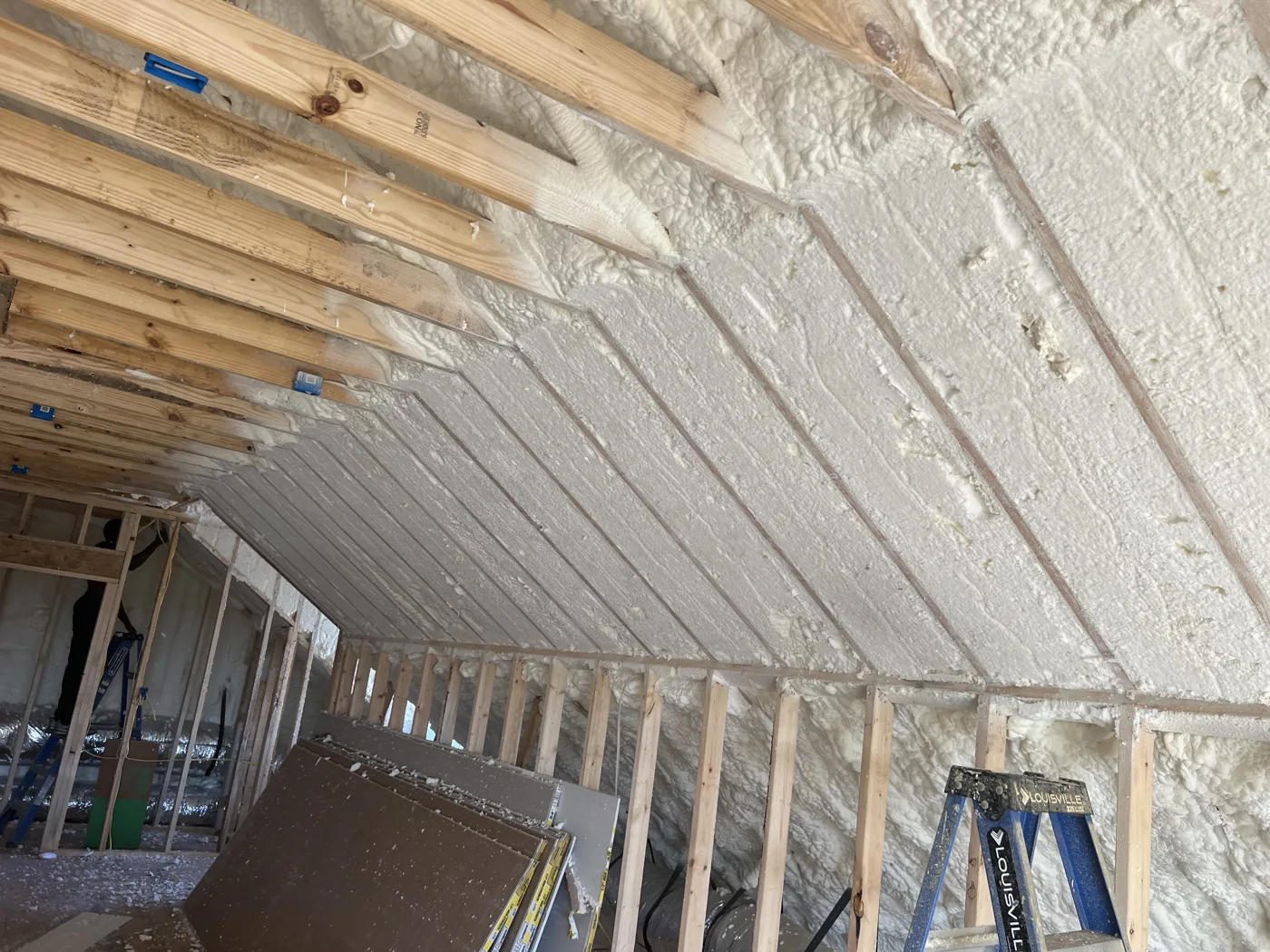
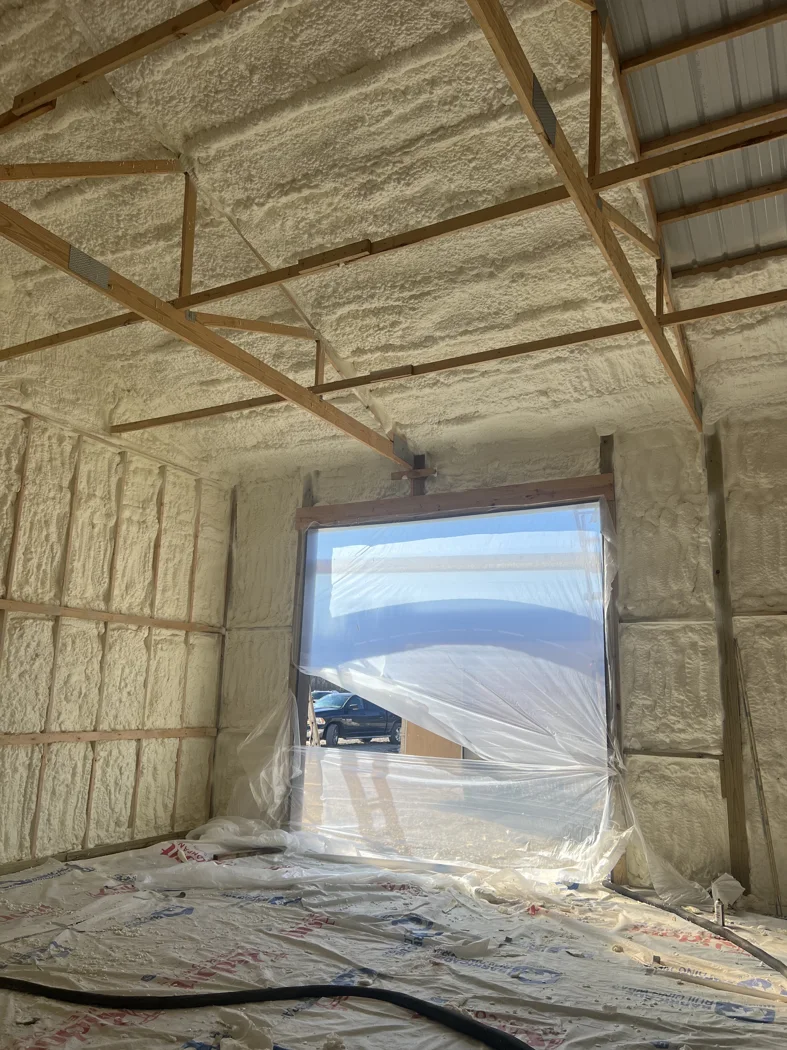
It depends on substrate, moisture, depth, budget and code requirements.
Open-cell foam typically delivers R-3.5–4 per inch and is relatively vapor permeable. Its expansion helps fill irregular residential cavities and it can help reduce airborne sound.
Closed-cell foam typically delivers R-6–7 per inch and can provide vapor control at product-specific thicknesses. It is often preferred for metal panels, limited depth and assemblies requiring greater moisture resistance.
Neither product is universally best. Roof drying potential, substrate temperature, indoor humidity, code-required fire protection and total installed cost determine suitability.
Not necessarily. In a dry, deep residential cavity, open-cell or cellulose may provide better value.